
The Call: "I Jumped My Cadillac and Now It Won't Start"
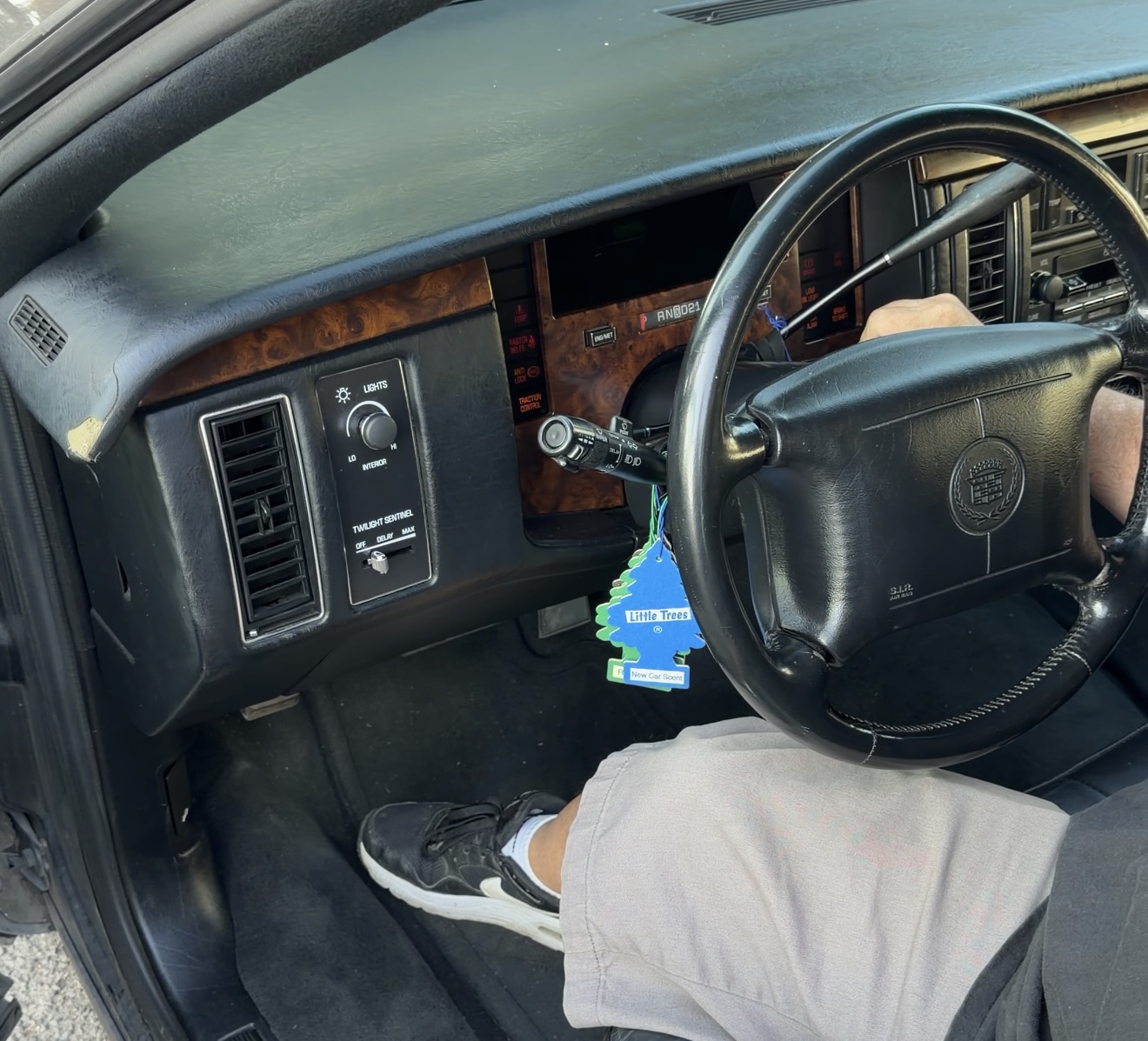
We got a call from a customer with a 1994 Cadillac Fleetwood — a beautiful, classic full-size GM. The problem? The car wouldn't start. It had been sitting with a dead battery, so they did what most people would do — they hooked up jumper cables to another car and jumped it.
The engine cranked, but it wouldn't fire. No matter how many times they tried, the Cadillac just refused to start.
That's when they called us.
Our First Move: Ignition Bypass
On a vehicle this old, the first thing we look at is the ignition cylinder. Over 30+ years, the wiring on these ignition cylinders degrades. The wires get brittle, they crack, and the connections that carry the VATS resistance signal from the key to the ECU stop working reliably.
If the car can't read the resistance from the key, it thinks someone is trying to steal it — and it shuts the fuel system down. No fuel, no start. Simple as that.
So that was our first step: an ignition bypass. We bypassed the worn-out wiring in the ignition cylinder to restore the resistance signal path. At the time, the car fired right up. Job done — or so we thought.
The Callback
The customer called us back. The car had stopped starting again.
We went back out to take another look. The ignition bypass we did was still intact and working correctly — the resistance signal was being sent as it should. So what was going on?
The Real Culprit: The Jump Start Itself
After further diagnosis, we traced the problem back to the original event — the jump start.
Here's what most people don't realize about older GM vehicles with VATS (Vehicle Anti-Theft System): these cars have extremely sensitive electronics, especially the ECU (Engine Control Unit). When you hook up jumper cables from a running vehicle to a VATS-equipped car, you're feeding it an unregulated power surge. Modern vehicles have more robust voltage regulation, but a 1994 Cadillac Fleetwood? That ECU was designed for a different era.
The voltage spike from the jump start likely damaged the ECU's ability to properly read the VATS resistance signal — even when the signal was being sent correctly from the ignition. The computer was getting the right information, but it could no longer process it properly.
What We Recommended
At that point, the issue had moved beyond locksmith territory and into electrical/mechanical diagnostics. We recommended the customer take the vehicle to a trusted mechanic shop for further ECU diagnosis. The most likely fix would be a full VATS bypass on the ECU — essentially telling the computer to stop looking for the resistance signal entirely and just allow the car to start.
It's not the most elegant solution, but on a 30+ year old vehicle, it's often the most practical one.
What Is the VATS System?
For those who aren't familiar, VATS stands for Vehicle Anti-Theft System. GM introduced it in the mid-1980s, starting with the Corvette, and it quickly spread to other models — Cadillacs, Camaros, Firebirds, Buicks, and more.
The system works like this:
- Your key has a small resistor pellet embedded in the blade
- When you turn the key, the ignition cylinder reads the resistance value of that pellet
- The ECU compares the reading to the expected value
- If the resistance matches — the car starts
- If it doesn't match — the ECU disables the fuel injectors or fuel pump, and you're going nowhere
There are 15 different resistance values GM used across VATS-equipped vehicles. Your key has to match the exact value your car is looking for, down to a narrow tolerance. It was actually a clever system for its time — long before transponder chips and proximity keys became standard.
The Lesson: How to Properly Start an Older GM with a Dead Battery
This is the most important takeaway from this whole story, and it's something we want every owner of an older GM vehicle to know:
Do NOT jump-start a VATS-equipped vehicle with another car.
The voltage surge from another running vehicle can fry the sensitive ECU that controls the VATS system. Once that ECU is damaged, you're looking at either an expensive replacement or a full VATS bypass — neither of which is cheap or convenient.
Instead, Here's What You Should Do:
1. Remove the battery from the vehicle 2. Charge it on a battery charger or put it on a trickle charger until it's fully charged 3. Reinstall the fully charged battery and start the car normally
A battery charger delivers a slow, controlled charge that won't spike the voltage and damage sensitive electronics. It takes longer, yes — but it's a whole lot cheaper than replacing an ECU.
If you absolutely must jump the car in an emergency, at minimum make sure the donor vehicle is turned OFF before connecting the cables. This reduces (but doesn't eliminate) the risk of a voltage surge.
Which GM Vehicles Have VATS?
If you own any of these vehicles (roughly 1986–2003 model years), you likely have a VATS system:
- Cadillac — Fleetwood, DeVille, Seville, Eldorado
- Chevrolet — Corvette, Camaro
- Pontiac — Firebird, Trans Am
- Buick — Riviera, Reatta, Park Avenue
- Oldsmobile — Toronado, Cutlass Supreme
The easiest way to tell? Look at your key. If there's a small black resistor pellet embedded in the metal blade of the key — you have VATS.
Later GM vehicles (roughly 2000+) switched to Passlock and then transponder-based systems, which work differently. But if you're driving a classic GM from the late '80s or '90s, VATS is almost certainly what you've got.
Need Help with a VATS-Equipped Vehicle?
Whether your older GM won't start, your VATS key isn't being recognized, or you need an ignition bypass — Precision Lock & Key has the tools and experience to diagnose and fix VATS-related issues. We work on these systems regularly and know exactly what to look for.
And if the problem turns out to be deeper than the ignition — like ECU damage from a bad jump start — we'll tell you honestly and point you in the right direction. That's how we do business.
Call or text us anytime: (509) 557-9411
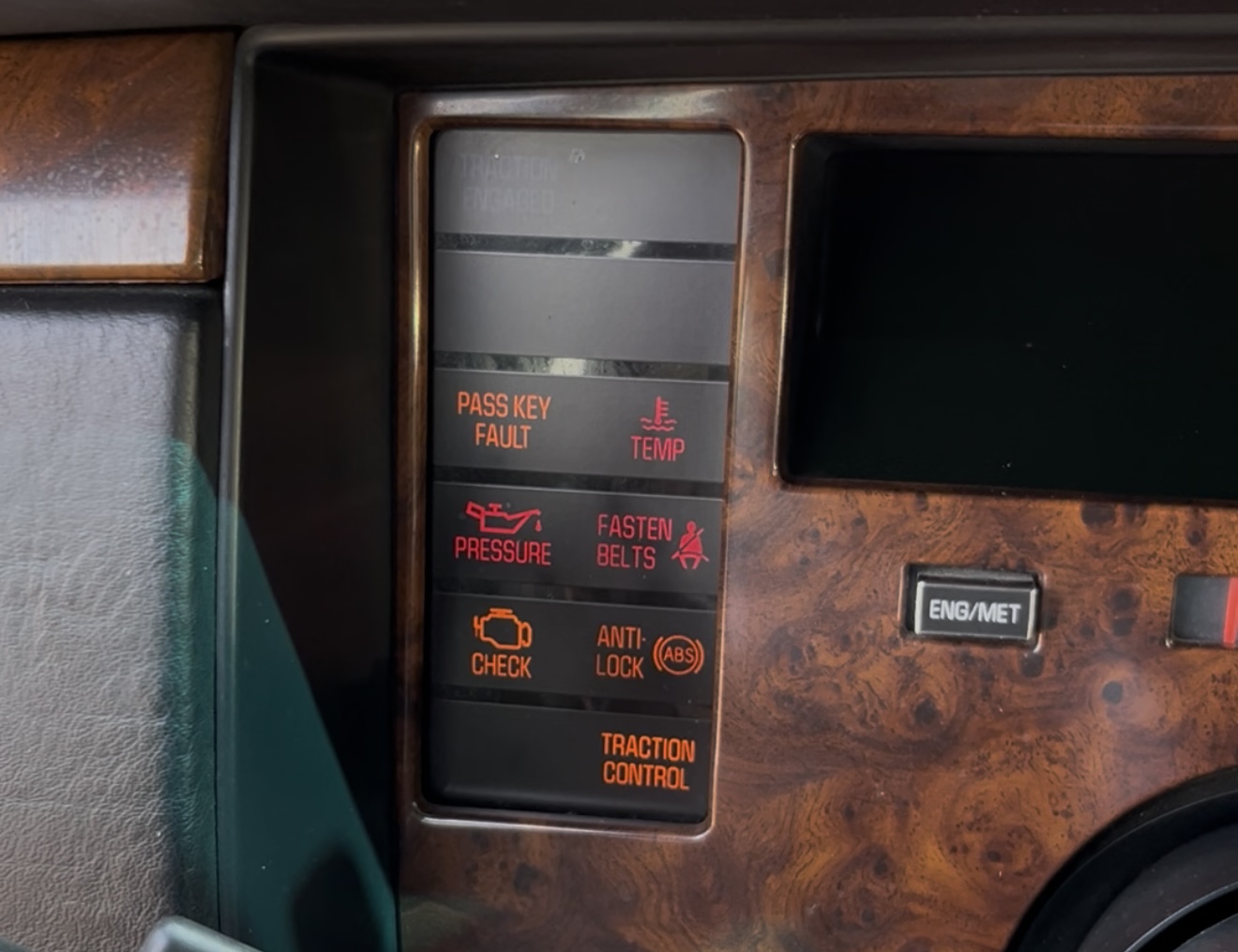
The "PASS KEY FAULT" light on the Cadillac's dashboard — this is what you see when the VATS system can't read the key resistance. In this case, the ECU was damaged by a jump start.
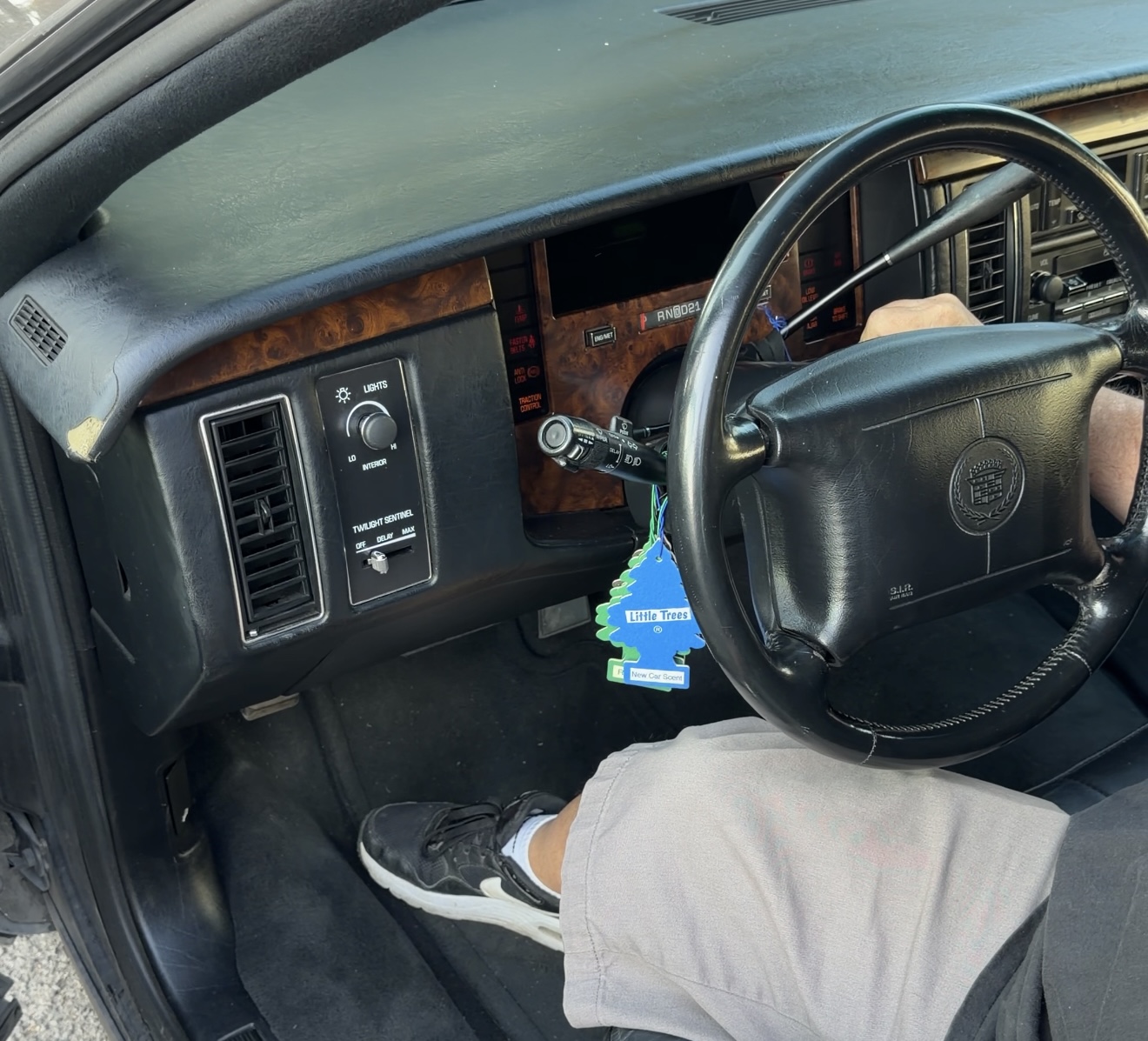
Inside the customer's 1994 Cadillac Fleetwood — you can see the classic Cadillac steering wheel with the crest, the ignition cylinder area, and the warning lights glowing on the dash.
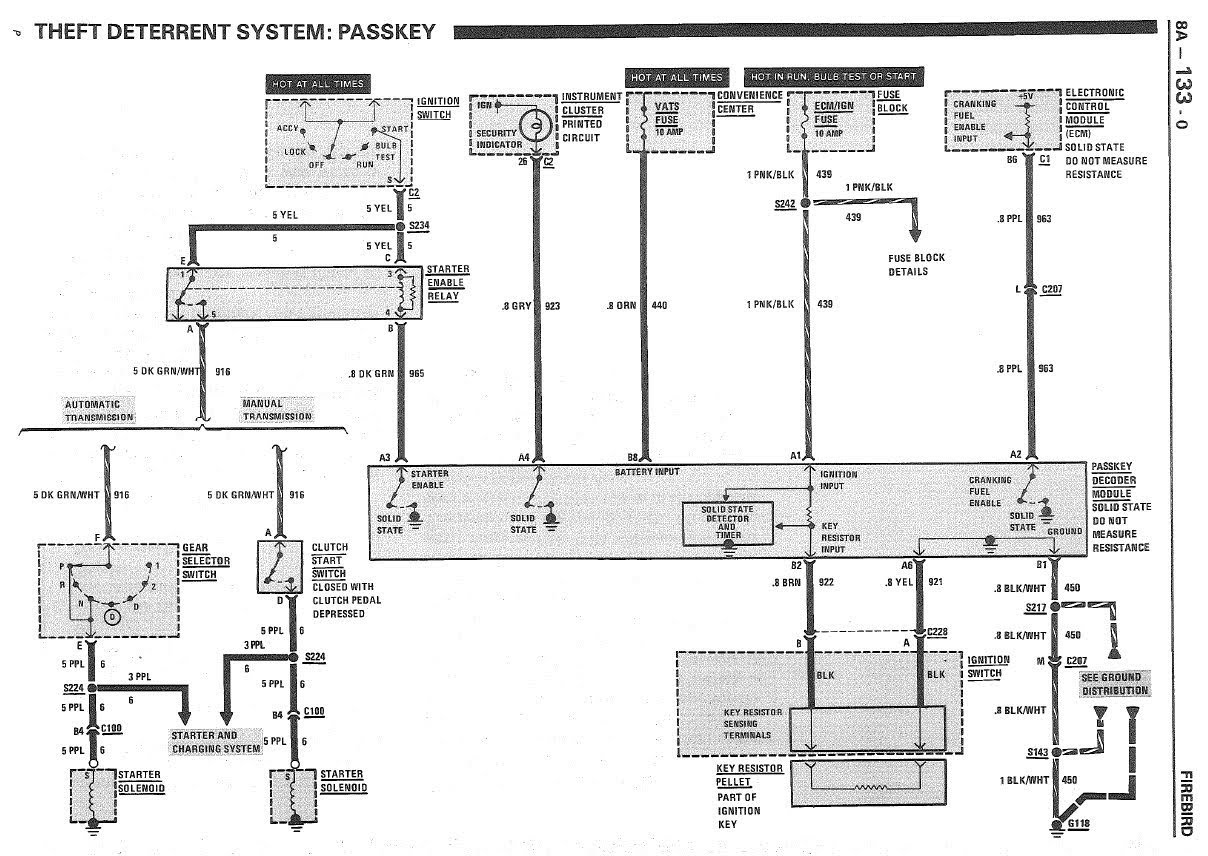
The telltale sign of a VATS-equipped GM — a small resistor pellet embedded right in the key blade. The car reads this resistance value before it allows the engine to start.

Ben Avdeyev
Owner, Precision Lock & Key
Licensed locksmith serving Spokane, WA & the Coeur d'Alene, ID area. When I'm not picking locks or cutting keys, I'm writing about real jobs and tips to help you stay safe and prepared.